Marine Coatings for Cities & Ports: Durable Protection Where It Matters Most
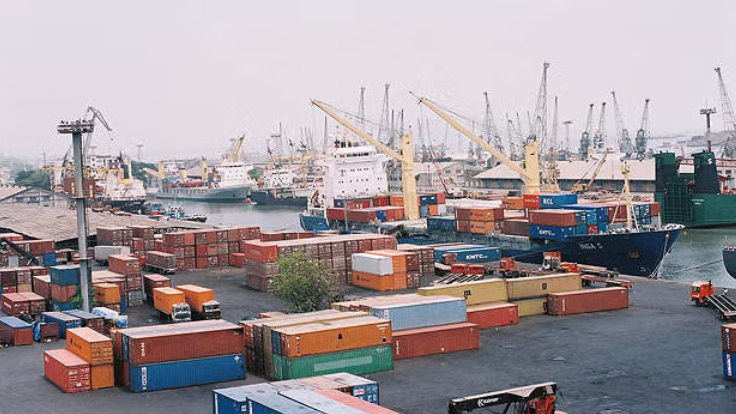
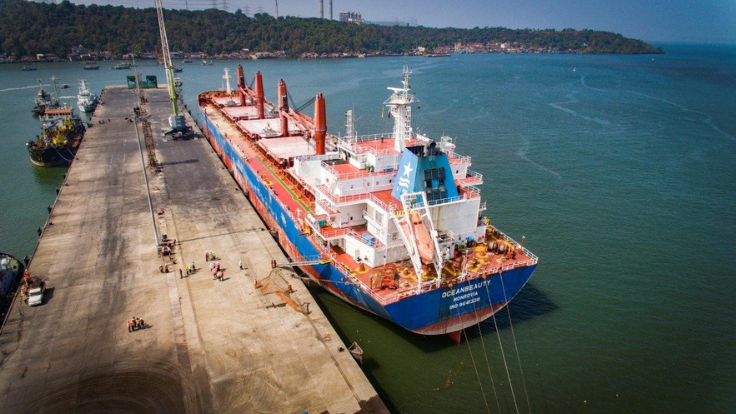
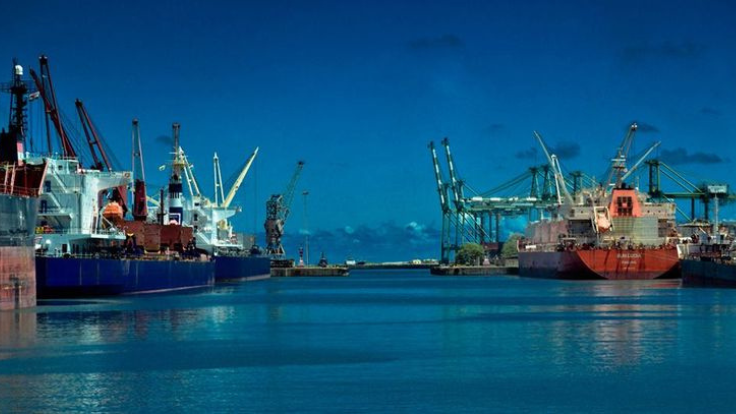
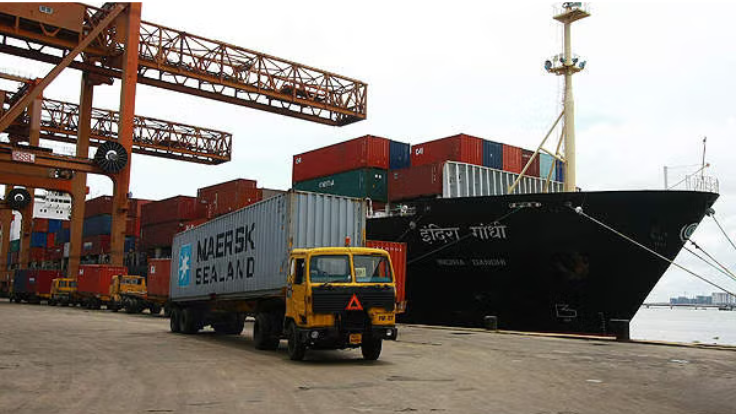
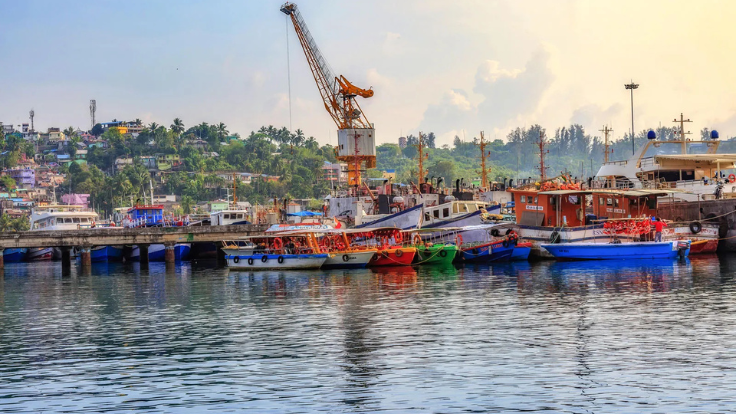
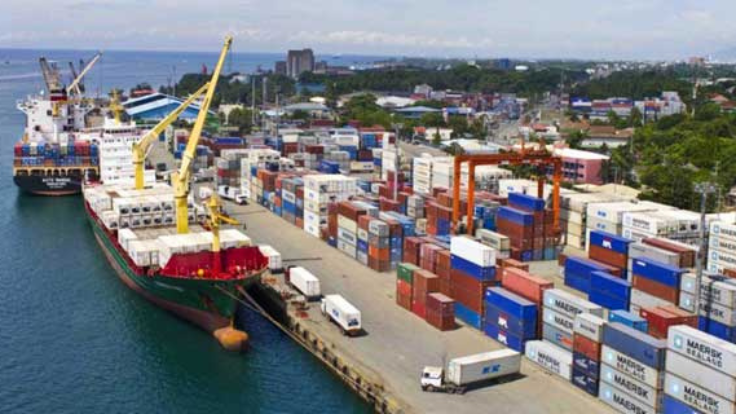
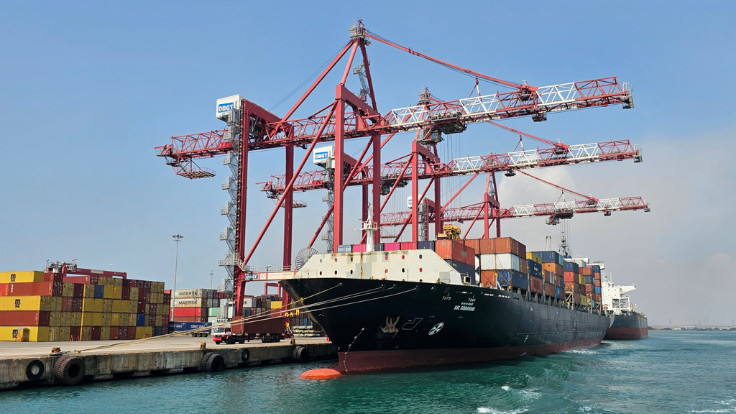
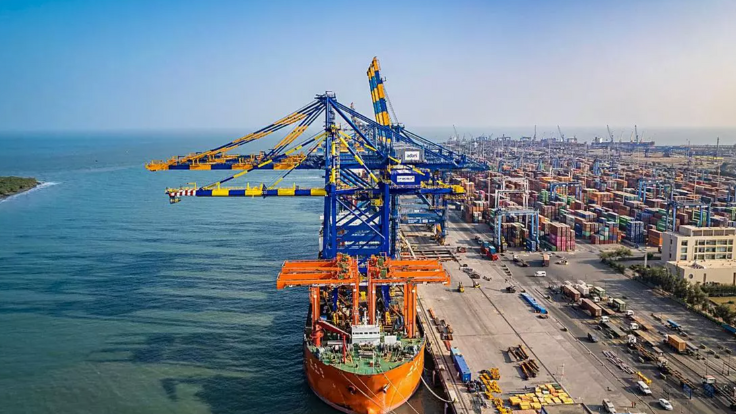
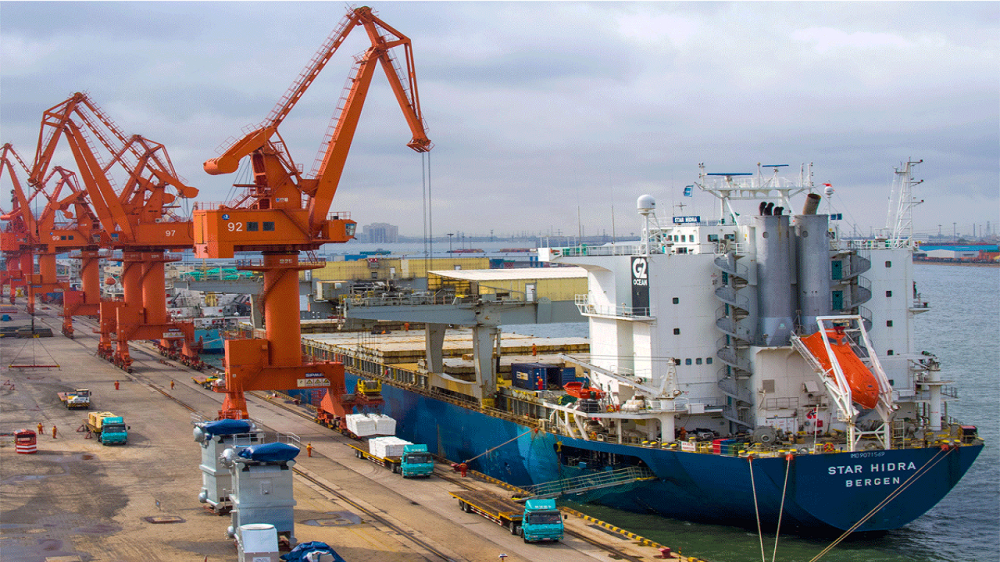
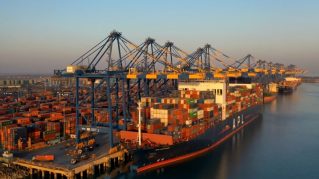
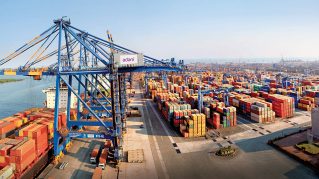
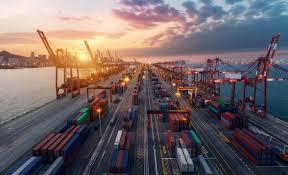
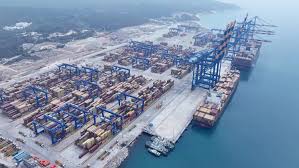
Cities with ports are uniquely exposed to harsh maritime environments. From ferries docking daily to cargo ships loading and unloading, every metal structure, concrete pier, walkway, and vessel component is at risk of corrosion, abrasion, salt spray, and UV damage. To safeguard infrastructure, vessels, and assets, high-performance marine coatings are essential. Here’s what every port city should know about marine coatings—and how choosing the right system can extend lifespans, reduce maintenance, and protect investment.
What Are Marine Coatings?
Marine coatings are specialized protective layers designed for surfaces exposed to harsh marine environments such as saltwater, humidity, intense sunlight, fluctuating temperatures, and constant physical wear. They are commonly applied to ship hulls, shipyard structures, cranes, pilings, concrete docks, piers, and offshore platforms to provide long-lasting protection. These coatings safeguard assets by resisting corrosion in saltwater and humid air, shielding against UV damage that causes fading or surface degradation, and withstanding abrasion and impact from waves, debris, docking ships, and heavy foot traffic. In submerged or splash zones, they help prevent biofouling caused by algae and barnacles, while also offering waterproofing and sealing to stop water ingress, efflorescence, and concrete spalling, thereby extending the service life of critical marine infrastructure.
Key Features Needed for Port-City Marine Coatings
For cities with ports, marine coatings must meet rigorous requirements::
High durability & long life – Coatings should protect surfaces for many years under constant exposure. Frequent maintenance or repainting is costly, causes downtime, and disrupts port operations.
Corrosion & chemical resistance – Ports deal with salt water, salt spray, industrial pollution, fuels, and sometimes acids or alkalis. Coatings must resist chemical attack, pitting, flaking, or rust.
Excellent adhesion & flexibility – Surfaces expand and contract (with heat, humidity), bend (ship hulls, metal structures), or shift under load. Coatings should not crack or delaminate.
Anti-fouling in submerged parts – Below the waterline and splash zones, marine growth can accelerate corrosion, increase drag on hulls, or damage submerged concrete. Antifouling or special non-stick coatings are vital.
Fast curing, low-VOC options – In urban port environments, regulations often limit volatile organic compounds (VOCs). Fast curing helps operations resume quickly (e.g., traffic or vessel movement).
Aesthetic considerations – Piers, terminals, passenger vessels—all contribute to a city’s image. Coatings should maintain color, gloss, and finish cohesively and resist chalking or fading.
Why Ports & Marine Cities Need Them—Risks Without Proper Coatings
Accelerated corrosion & metal failure – Saltwater causes oxidation; unprotected steel rusts, leading to structural weakening.
Higher maintenance costs – Frequent repainting, repairs, structural failures, and operational downtime are expensive.
Safety hazards – Slippery surfaces from algae, rust flakes, or coating delamination can endanger workers and vessels.
Reduced vessel performance – Biofouling on ship hulls increases drag and significantly raises fuel consumption costs.
Image & compliance problems –Peeling paint or rusted structures harm city; regulations may penalize VOCs.
Industries We Serve
Our marine coatings cater to:
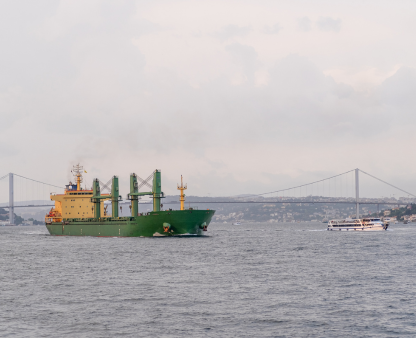
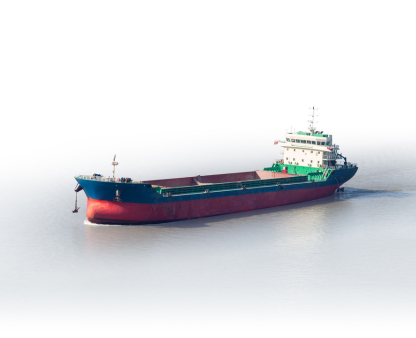
Commercial Shipping Companies – Protect cargo ships from corrosion, reduce costs, and ensure smooth operations.
Offshore Oil & Gas Platforms – Safeguard offshore rigs from saltwater, chemicals, and extreme marine conditions.
Naval & Coast Guard Vessels – Ensure durability, corrosion resistance, and reliability for defense and patrol fleets.
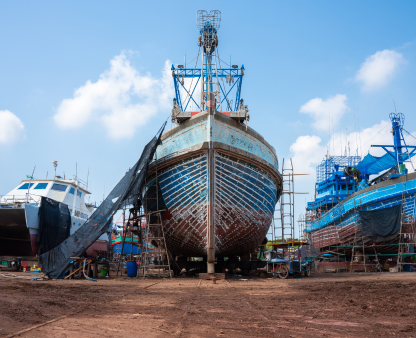
Shipbuilding & Repair Yards – Provide long-lasting protective coatings for hulls, decks, and marine structures.
Fishing Boats & Yachts – Prevent biofouling, enhance vessel performance, increase speed, and extend service life.
Why Choose TriNewaShield for Marine Coatings?
At TriNewaShield, we combine advanced coating technology with years of marine industry expertise. Our coatings are tested for durability, salt spray resistance, and long-term adhesion, ensuring maximum protection for vessels operating in busy waters. For additional industrial coating and protective solutions, you can also explore Tripolarcon’s specialized services
Additional Benefits of Our Marine Coatings
Our coatings also provide resistance to impact, abrasion, and chemical exposure. They reduce downtime during maintenance cycles, improve vessel aesthetics, enhance operational efficiency, and ensure long-lasting performance. Each coating system is customized based on vessel type, operating conditions, and specific environmental regulations for maximum durability and protection.
Contact Us for Marine Coatings
Looking for trusted marine coatings ? Whether you operate a commercial fleet or manage offshore structures, our team delivers solutions that ensure safety, reliability, and efficiency.
Get in touch today for a free consultation, expert surface preparation guidance, and coating recommendations tailored to your marine assets. Enhance durability, reduce operational costs, and ensure long-term performance with TriNewaShield’s proven marine coating solutions.